From Dispute to Reconciliation: Securing the Land Rights of Orphans in Soroti
For Michael and his siblings, the loss of their father around 2010 brought not only grief, but also uncertainty over the future of the land and property he left behind.
Their father left behind three children. Although their parents were not formally married, the children grew up alongside a young girl from another relationship of their father after her mother passed away. Following their father’s death, their uncle, Mr. Apodu (not real name), was entrusted with caring for the children and safeguarding their property.
Over time, however, the relationship deteriorated. The children reported that their uncle began selling some of the family’s livestock, including cows and goats, and took part of their land. They were also denied access to an important animal pathway used by their cattle. Despite their aunt and grandmother, who had played an important role in raising them, still being alive, the dispute continued.
A community-led path to justice
With support from the Land and Equity Movement in Uganda (LEMU), the matter was brought before the clan for mediation. Through dialogue, the parties were able to address the grievances and agree on a peaceful way forward. As part of the resolution, Mr. Apodu agreed to formally demarcate and secure the land belonging to the orphans. Three gardens measuring 1.671 acres, 1.402 acres and 0.513 acres were identified and documented.
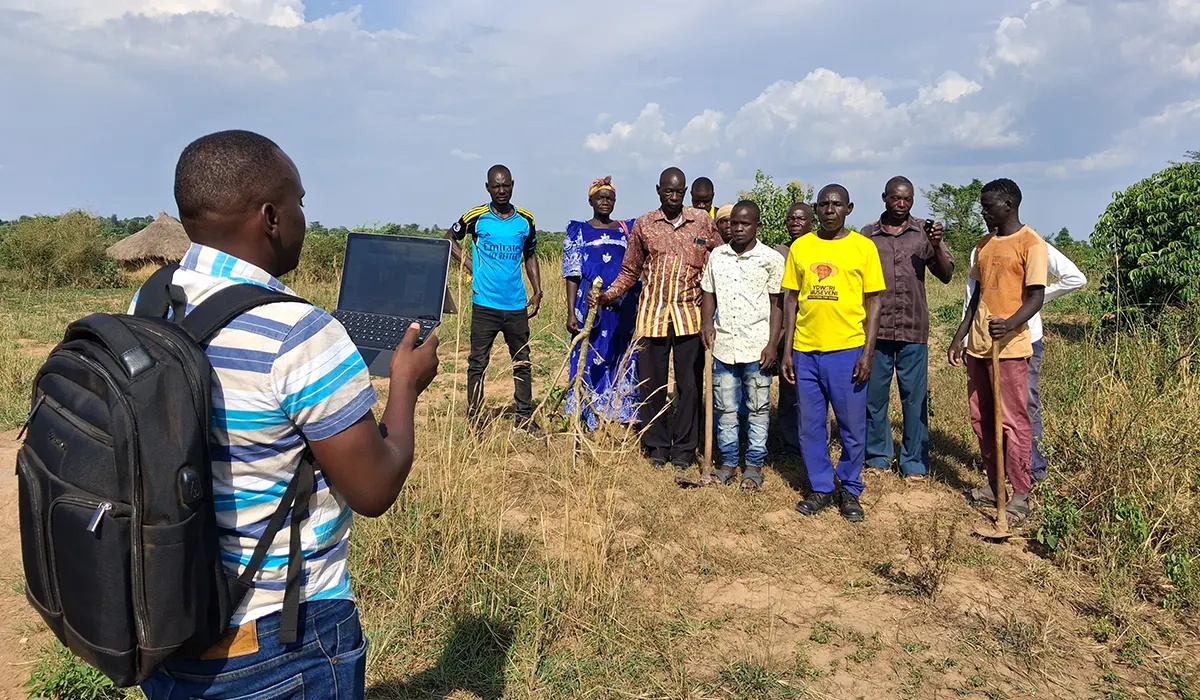
LEMU supported the mapping process using Fit-for-Purpose Land Administration technology, including the Cadastre Rights Inventory Saving Paper (CRISP) software, a tablet and a GNSS relay. The process enabled the land to be mapped efficiently while capturing the customary land rights recognised by the community. The orphans were subsequently provided with Land Inventory Protocols (LIPs)—comprehensive records documenting their claimed customary land ownership rights as verified and approved by the clan.
From conflict to reconciliation
Perhaps the most important outcome was not only the documentation of the land, but the restoration of relationships. What began as a long-standing family dispute ended peacefully, with the disputing parties reconciling and moving forward together.
This story demonstrates the power of community-based mediation, customary institutions and appropriate land documentation technologies in protecting the land rights of vulnerable people, including orphans, while promoting peaceful coexistence.
At LEMU, we believe that secure land rights are the foundation for dignity, justice and sustainable livelihoods.
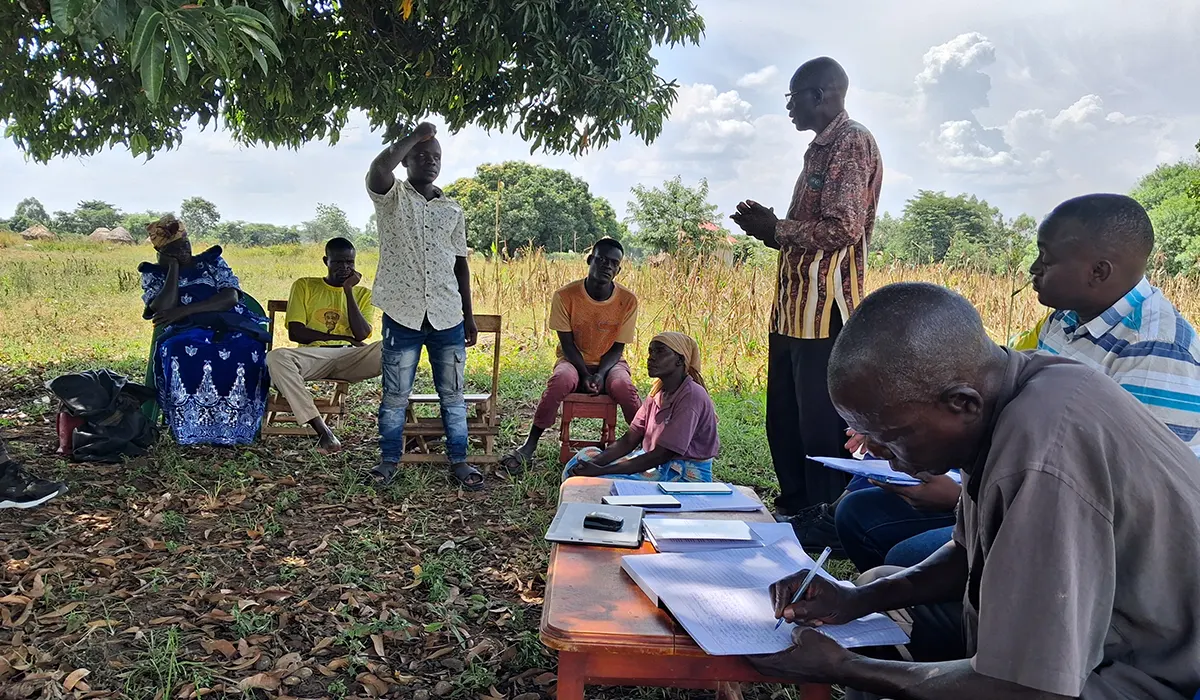
An orphan explaining before the clan leader
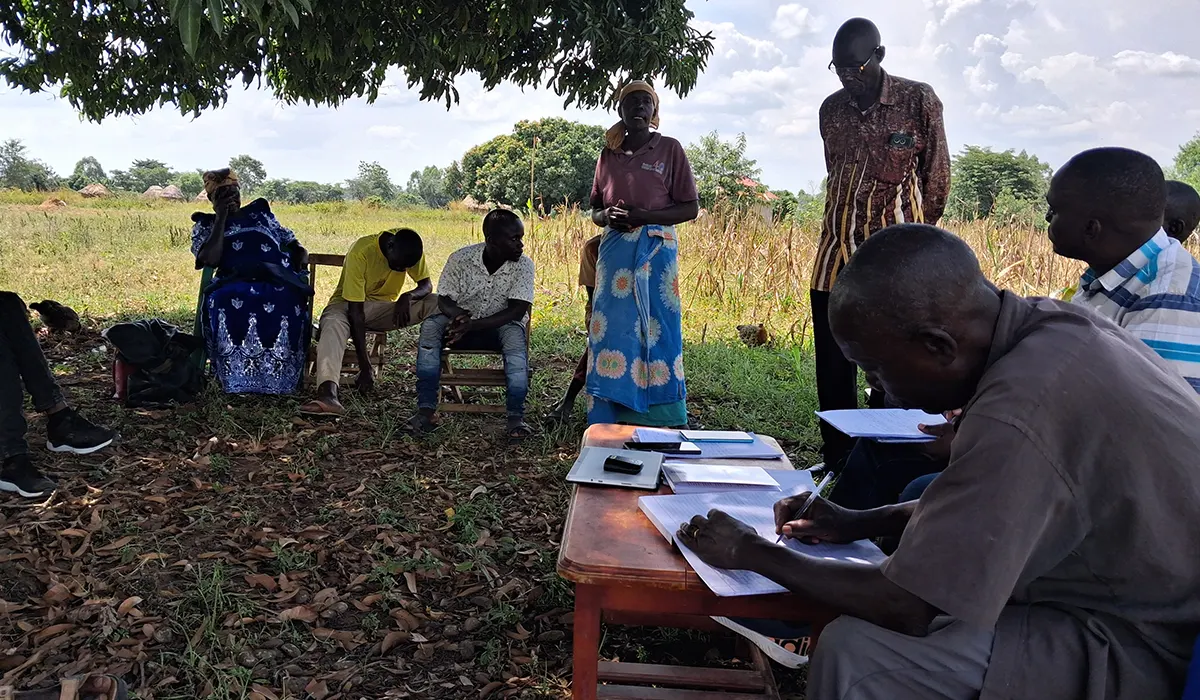
The aunties giving their guidance and reconciliatory ideas during the mediation before the clan leader
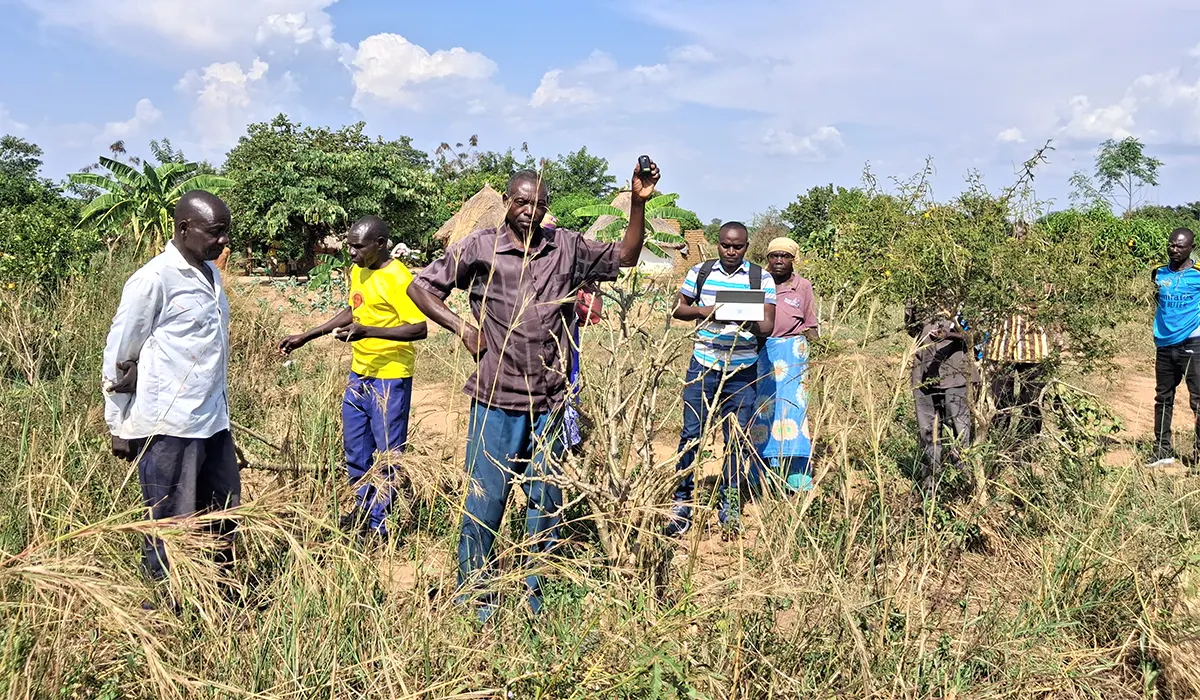
Mapping of land boundaries

About the author
lemu:
Would you like to share your thoughts?
Your email address will not be published. Required fields are marked *